Hot flashes, restless nights, physical changes, and emotional upheavals: menopause is a life phase that women still find difficult to discuss openly. Celebrities like Drew Barrymore, Lisa Rinna, Shania Twain, Katherine Heigl, and Jane Seymour have chosen to break the silence by sharing their personal experiences with menopause and perimenopause. Through their stories, these stars also offer tips and habits that help them navigate this period with greater ease.
From an embarrassing moment on a trampoline to a celebrity’s initial hesitation about treatments that they eventually embraced, and an injury leading another celebrity to reassess her body image, their journeys have been filled with unexpected twists.
While menopause affects millions of women, these five celebrities have discovered that there is no one-size-fits-all solution to managing this life transition.
To cope with these changes, they have focused on improving their sleep quality, using humor, communicating with their doctors, and sometimes embracing aging with its challenges. However, before finding what worked for them, some had to deal with unexpected symptoms and anxieties.
Drew Barrymore’s Menopause Countdown Takes an Unexpected Turn
Drew Barrymore has never shied away from discussing perimenopause, especially when her own body surprises her. In March 2026, she revealed that she hadn’t had a menstrual period in nearly eleven months, believing she was about to enter menopause for good.
Just as she approached the twelve-month mark, the standard threshold for officially declaring menopause, her period returned unexpectedly, resetting her journey. “I am completely at the mercy of my hormones, and everything is nonsensical,” Drew Barrymore joked while recounting this mishap on her show, The Drew Barrymore Show.
This wasn’t the first time the actress publicly experienced perimenopause. In 2023, while filming her talk show with Jennifer Aniston and Adam Sandler, she suddenly encountered what she believed to be her first hot flash.
Faced with the unpredictable changes of perimenopause, Barrymore highlighted an astonishingly simple remedy: sleep. In a September 2026 episode of The Drew Barrymore Show, she described how this time had significantly altered her daily life, asserting that her world had “radically changed” since entering perimenopause.
She also reminded her audience that the effects of menopause extend beyond the women experiencing it. Mothers, sisters, daughters, partners, and colleagues are all impacted by the changes associated with this life stage. However, for Barrymore, one of the hardest challenges remains sleep deprivation.
“We should be able to enjoy quality sleep, as a lack of rest seems to intensify emotions, feelings of helplessness, and being overwhelmed more than anything else in my life,” she confided. The importance she places on sleep is echoed by medical experts.
According to the National Institute on Aging, hot flashes, especially night sweats, along with mood swings, can disrupt sleep during the transition to menopause.
Over time, insufficient sleep can contribute to irritability, depression, and memory issues, as well as increase the risk of falls and accidents. This is a subject Barrymore continues to discuss openly.
Just a few days ago, Barrymore participated in a new discussion with Sunny Anderson, Valérie Bertinelli, and Dr. Kathleen Jordan, focusing on some of the lesser-known symptoms of menopause and the importance of tailoring treatments for each woman, rather than applying a universal solution. Her personal advice is succinct:
Even when everything seems suddenly more complicated, don’t lose sight of the essentials: prioritize your sleep. When perimenopause makes life difficult, lack of rest only exacerbates emotional and mental exhaustion, making this time even tougher.
Katherine Heigl, on the other hand, found that humor could help her better navigate this period. In her case, it was about learning to laugh at a topic many women still prefer to whisper about.
The Day Katherine Heigl Faced an Embarrassing Moment on a Trampoline
Katherine Heigl thought she knew her body well. However, entering her forties brought a few surprises. While guesting on The Drew Barrymore Show in 2025, she recounted noticing the first changes related to perimenopause around the age of 43 or 44.
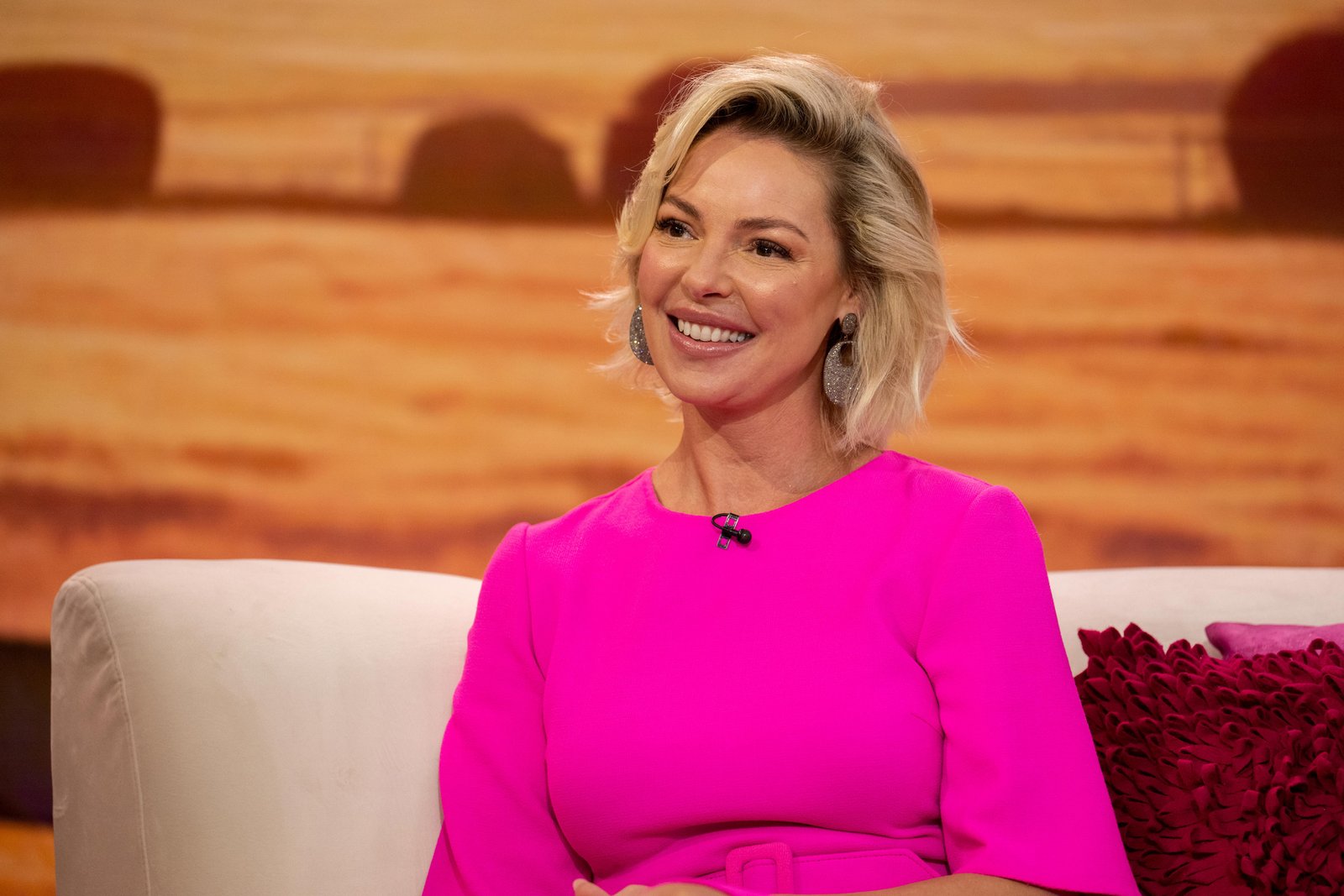
She noticed weight gain that she couldn’t easily shed. Her emotions also became increasingly erratic, and memory issues began to surface. For nearly ten years, the actress felt in tune with her body and certain of what worked for her.
But suddenly, the habits that had always worked began to lose their effectiveness. The culprit: perimenopause. What surprised Katherine was not just this realization but also that no one had prepared her for this stage in life.
In conversations with friends her age, she discovered they were going through similar upheavals. At 46, she was still waiting to officially enter menopause.

Like Drew Barrymore, Katherine Heigl faced the frustration of believing she was making progress, only to see the counter reset. She recounted once going ten months without a period before they returned, throwing everything back into uncertainty.
Hormonally-driven upheavals weren’t the only challenges at home, as her two daughters were experiencing puberty too, leading to what she humorously dubbed a veritable “hormonal carnival.” However, one particularly embarrassing anecdote made her testimony even more candid.
While bouncing on a trampoline with her children, Katherine Heigl experienced a small involuntary leakage. Rather than trying to hide this incident, she chose to laugh about it, even inventing amusing expressions to describe these little accidents, such as “laugh leaks.”
Beneath this lively tale lies a deeper message. “None of this is easy, and nothing comes without effort,” Katherine Heigl emphasized while reflecting on life’s varied stages. Puberty can be tough, and so can one’s twenties and thirties, each presenting their own challenges. Meanwhile, the forties can bring about yet another period of adaptation and introspection.
The real tragedy, in her view, would be to stop seeking solutions or to cease trying altogether.
Urinary leaks are common among women, but that doesn’t mean they should be accepted as unavoidable. According to the National Institute of Diabetes and Digestive and Kidney Diseases (NIDDK), about one in two women suffers from urinary incontinence. Menopause is one of the factors that can promote this issue, but the institute highlights an essential distinction: what is common is not necessarily inevitable.

Incontinence should not be considered a given result of aging or simply being female. Women facing difficulties with bladder control are encouraged to discuss it with a healthcare professional to explore treatment and management options.
For Katherine Heigl, the main lesson is not to hide these little embarrassing moments. Looking back, she prefers to approach them with humor and a sense of philosophy: “We gain wisdom as we grow older. One must simply accept the little inconveniences that come with it.”
Katherine Heigl discovered that perimenopause could come with changes no one had prepared her for, including a few embarrassing situations. Her philosophy: don’t hesitate to talk about it, laugh when possible, and continue to seek what best suits her ever-changing body.
Jane Seymour found that these so-called “little inconveniences” could also touch on a particularly intimate aspect of women’s lives. Faced with this issue, she chose not to resign herself and sought a solution.
Jane Seymour Found a Treatment That Transformed Her Sex Life Post-Menopause
Jane Seymour openly discussed the pain experienced during sex after menopause, along with the treatment she felt significantly changed her experience. The actress entered menopause between the ages of 50 and 51.
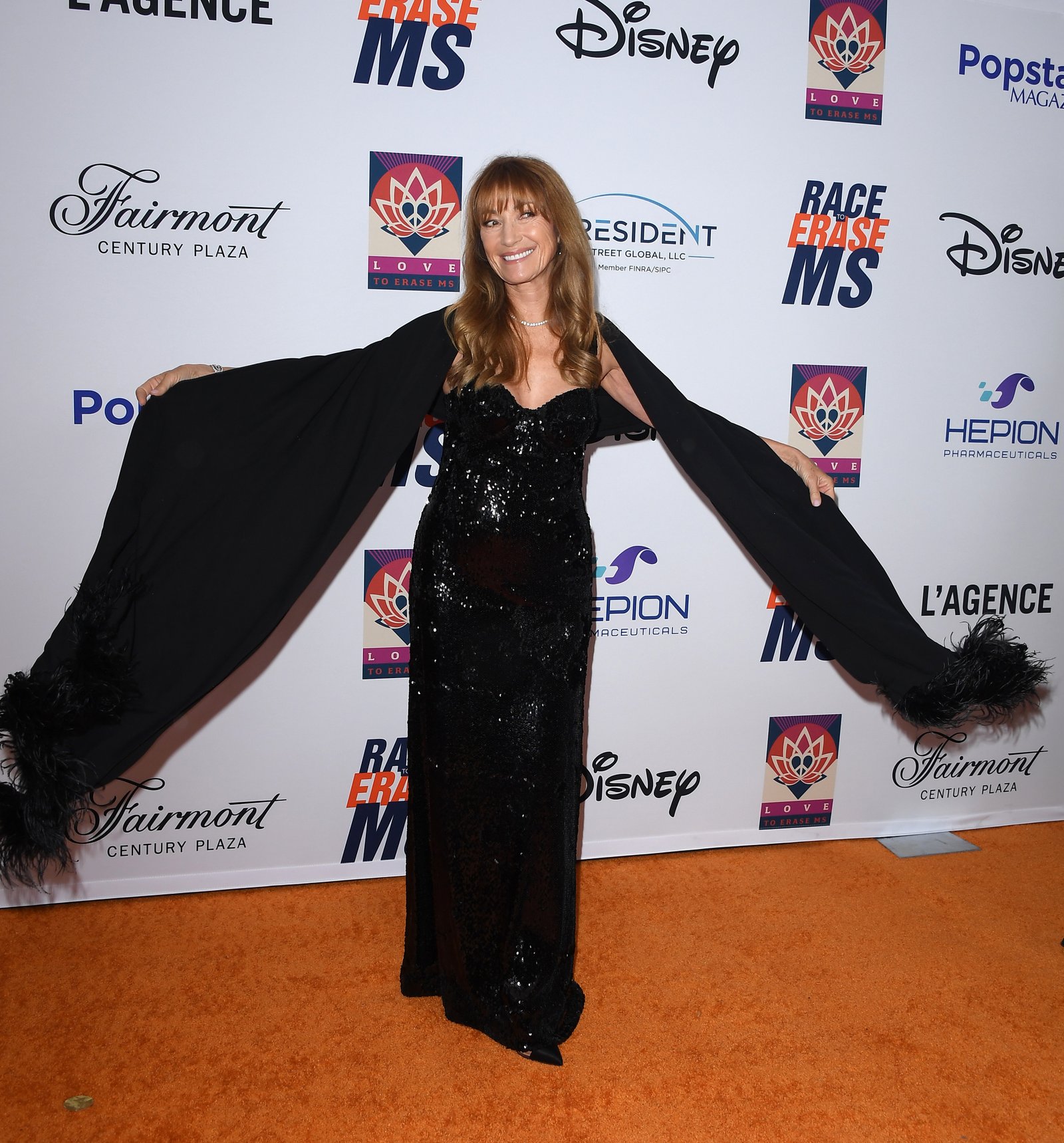
In an interview with HELLO!, Jane Seymour explained that she had no family history of breast cancer and, after discussing it with her doctor, she decided to pursue hormone replacement therapy. She also used Estring, a vaginal ring that releases estrogen, which she described as a “real turning point” in her life.
Jane Seymour also pointed out that menopause can lead women and their partners to rethink their intimacy and discover new ways to experience their sexuality. For her, these changes should never be regarded as too delicate or embarrassing to discuss openly.
Her physician conveyed a perspective on estrogen that she hasn’t forgotten: “My doctor, Dr. Sherry Ross, told me that at any age, estrogen is a woman’s superpower,” the actress recalls.
However, Jane Seymour’s experience remains personal: hormone therapy may not be appropriate for every woman. According to the American College of Obstetricians and Gynecologists (ACOG), systemic estrogen can be effective in alleviating hot flashes and night sweats, while both systemic and local estrogen can relieve vaginal dryness.
The choice of hormone treatment depends on several factors, including the nature of the symptoms and individuals’ personal and family medical histories. Seymour believes that medication isn’t the only thing that helped her through this period.
At the time, the actress was juggling raising her five-year-old twins, her career, and numerous professional obligations. She remembers her doctor attributing part of her adjustment to her mindset and approach to these changes, combined with the prescribed treatment.
Jane Seymour maintained a particularly busy pace in her life, not allowing menopause to slow her down or hinder her ambitions.
When this stage began to affect her intimate life, she refused to view this discomfort as an inevitable fate to be resigned to. Her advice is clear: dare to speak to your doctor and take the time to find the treatment that best suits your needs.
Lisa Rinna found that the question of hormone treatment was considerably more complex for her. The therapy she would come to support staunchly was something she initially feared.
Lisa Rinna Initially Rejected the Hormonal Treatment She Now Supports
Lisa Rinna became a staunch advocate for hormone therapy following her own experiences. However, when the first signs of menopause appeared, hormonal treatments were precisely what she hoped to avoid.

In an interview with Cosmopolitan, Lisa Rinna revealed that her mother and sister had both suffered from breast cancer. Her mother had also been on hormone replacement therapy for several years, raising concerns about a potential link between this treatment and the onset of her cancer.
This family history was a significant source of anxiety for the actress. “So I can’t take hormones,” she remembered thinking. She then chose to avoid them. But the menopause symptoms soon surfaced.
Rinna shared that she experienced insomnia, hot flashes, anxiety, mood swings, and many other changes she attributed to menopause. Faced with these issues, she eventually consulted a doctor whose approach combined both Eastern and Western medicine.

Her physician posed a simple question: why was she refusing to take hormones? Rinna explained the breast cancer history in her family. This exchange marked a turning point in her menopause journey.
The actress shared that she was around 52 when she started bioidentical hormone therapy after her doctor suggested that this option was best suited to her situation. Together, they proceeded with various adjustments to find the right combination for her.
Eight years later, Lisa Rinna stated she has never regretted this decision. However, her testimony is part of a complex, evolving medical debate surrounding the benefits and risks of menopause hormone treatments.
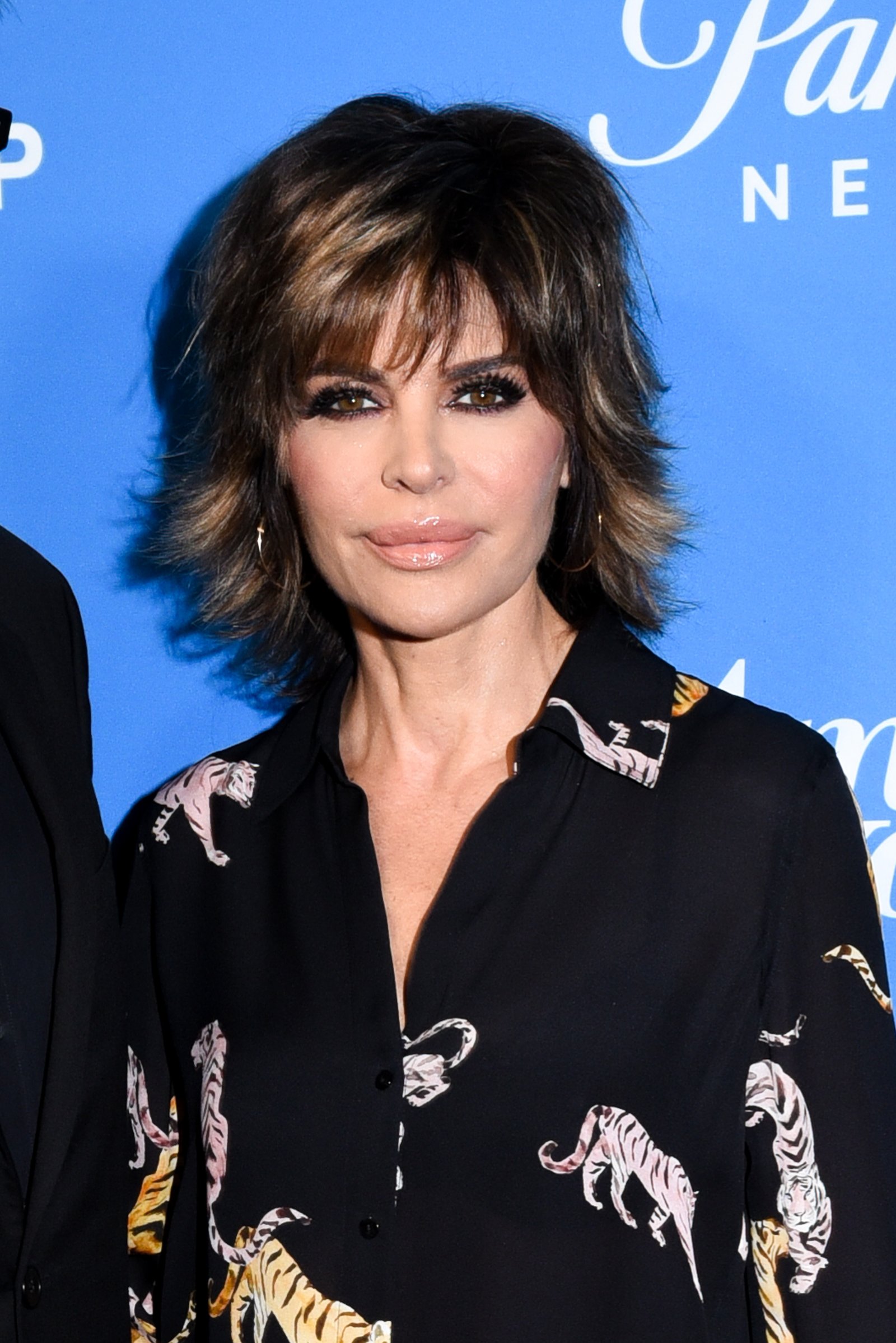
In February 2026, the Food and Drug Administration (FDA) approved a labeling change for six menopause hormone treatments. This decision notably removed boxed warnings related to cardiovascular disease, breast cancer, and probable dementia.
However, this change does not imply that all risks associated with these treatments have disappeared. Risks of breast cancer and cardiovascular disease are still listed in other sections of the related product information. Any therapeutic decision must, therefore, consider each patient’s health status and risk factors.
The American College of Obstetricians and Gynecologists (ACOG) also recommends that women discuss their symptoms as well as their personal and family medical histories with their obstetrician-gynecologist before considering hormone therapy. This precaution is particularly important for Lisa Rinna, given her family’s breast cancer history.

Her testimony primarily illustrates a therapeutic decision made in conjunction with her physician, not a pathway she would recommend every woman to adopt. Lisa Rinna emphasized that each menopause experience is unique.
“We are all so different,” she stated. Yet her advice extends beyond hormonal treatments. Her broader view on aging may be even more telling. “You can’t fight against aging. It’s part of life,” she maintained.
In her view, the essential thing is to approach this new life phase while continuing to feel good, cultivating curiosity, passions, and a zest for life. The goal is not to look 20 again but to remain fulfilled at every age. Rinna also noted that there is no miracle formula for staying healthy.

She explained that she leads a balanced lifestyle, exercises regularly, gets enough sleep, and prioritizes a healthy diet. She also noted that she inherited good genes. Her perspective on aesthetic medicine is governed by an equally personal principle: “You must do things for yourself,” she asserted.
Initially, Rinna preferred to avoid hormone therapy due to her family’s breast cancer history. But menopause symptoms eventually compelled her to rethink her stance. Upon her doctor’s advice, she realized that suffering was not a necessity but rather a prompt to evaluate risks and treatment options with a healthcare professional.
Another celebrity also learned from this transitional period, but through a far more intense experience.
For Shania Twain, the wake-up call came after an injury, an emergency exit from the stage, and a dawning realization of how her lifestyle was impacting a body undergoing transformation.
Shania Twain’s Wake-Up Call: Evacuated From Stage After Injury
Shania Twain’s journey with menopause began during a particularly challenging physical episode. In 2019, the country superstar tore two thigh muscles during a concert in Las Vegas. The pain was so severe that she had to be carried off the stage.

Years later, Shania Twain connected this incident to multiple factors that had converged at the time: dehydration, insufficient nutrition, the Nevada climate, and what she described as a particularly intense “menopause phase.” In an interview with People, she revealed that she was experiencing bloating without understanding the reason behind it.
At the same time, she had begun eliminating certain foods from her diet, leading to what she termed malnutrition. “I wasn’t consuming enough salt, I wasn’t retaining water, and I wasn’t drinking enough,” she recalled.
She characterized this buildup of factors as a “real perfect storm leading to disaster.” However, the physical challenges were just part of the issue. More profoundly, Twain was undergoing a delicate phase, marked by turmoil concerning her relationship with a body changing due to menopause.
The singer recalls a time when, after years of becoming accustomed to a younger figure and skin, she started to look at herself differently, only seeing what she considered flaws. She struggled to accept her new curves.
Initially, Shania Twain had difficulty accepting these changes. However, over time, her perspective shifted. Her well-being took precedence over an obsessive desire to maintain a youthful appearance. “I’m not trying to be 30. I’m not trying to be 25, and I’ll never be that age again,” she declared.
Instead of chasing after her youth, she encouraged everyone to appreciate themselves as they are today and not wait until they age to regret not loving themselves sooner. “Enjoy yourself as you are today and learn to love yourself this way,” she advised.
Finally, she offered probably the most direct advice from these five women: “Vanity isn’t worth harming yourself for.” Shania Twain has made this philosophy a principle that transcends mere appearance.
She now knows that she can’t play tennis with the same fervor as she did at 30 without risking injury. When her old one-handed backhand became too difficult to execute, she didn’t give up on the game.
She simply modified her style by adopting a two-handed backhand, even joking that this new technique was even more fearsome than the old one. Her relationship with criticism about her appearance has undergone profound evolution as well.

After years of enduring disparaging comments about her appearance, Shania Twain explained that age and maturity allowed her to see her body differently. “My body is nothing to be ashamed of. That courage comes with time and maturity,” she shared.
Confronted with body shaming, her message is equally clear: “Criticism about my appearance won’t affect me.”
Shania Twain has long struggled with the transformations of her body before realizing that the relentless pursuit of youthful looks came at too high a cost. She learned an essential lesson: prioritize her well-being, embrace her body as it is today, and keep in mind that ‘vanity is not worth harming yourself for.’
Ultimately, Their Advice Has Little to Do with the Quest for Eternal Youth
The accounts from these five women offer no miraculous formula for managing menopause. Drew Barrymore emphasizes sleep, while Katherine Heigl uses humor to address some of the sometimes embarrassing symptoms of this time.
Jane Seymour, on the other hand, has found a medical treatment that aids her in dealing with the intimate changes linked to menopause. Lisa Rinna eventually reconsidered the hormone therapy she initially feared due to her family’s breast cancer history.
Shania Twain took a different route: self-acceptance. Together, their experiences chiefly highlight that there is no universal answer to menopause. Advice can’t be reduced to simple calls like ‘take hormones,’ ‘exercise more,’ ‘sleep better,’ or ‘stay positive.’
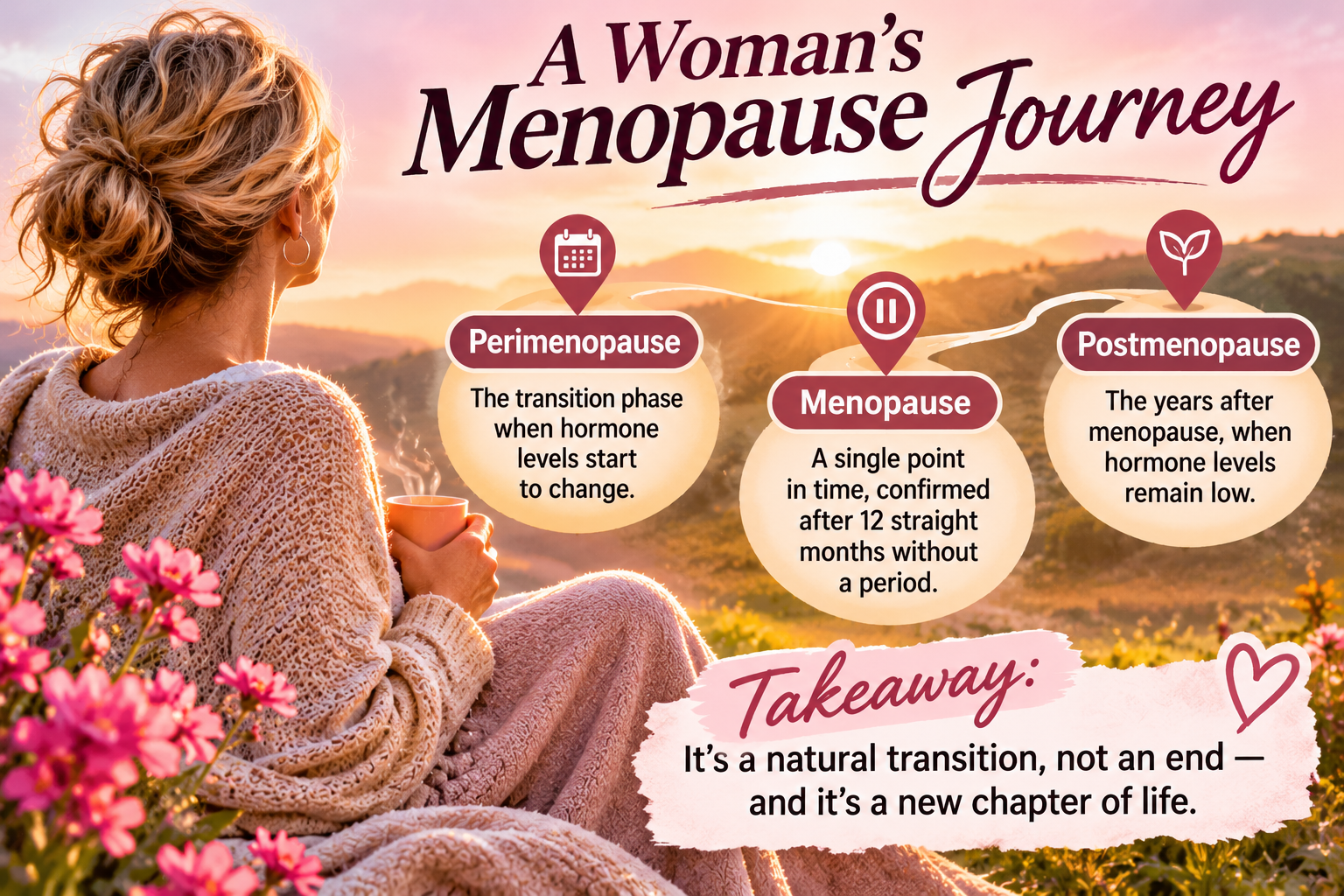
Some symptoms may be alleviated through medical treatment, while others require lifestyle adjustments. The choice of management largely depends on each woman’s medical history and personal situation.
However, a common thread arises from nearly all these celebrities’ accounts: they have chosen to speak openly about issues women have long been encouraged to endure in silence.
Katherine Heigl mentioned that she knew nothing of perimenopause until discussions with her friends helped her identify the changes she was experiencing.
Lisa Rinna described menopause as a topic society tends to relegate to a ‘shameful secret.’ Drew Barrymore openly discussed unpredictable manifestations of this period on television, including the unexpected return of her period after nearly eleven months without one.

Jane Seymour candidly discussed the pain felt during sex, while Shania Twain tackled a question that transcends hot flashes, hormonal upheavals, or irregular periods: the evolution of a woman’s relationship with her reflection as the years change her body.
None of these testimonials can replace tailored medical advice for each situation. But perhaps their most valuable lesson lies elsewhere: no single therapeutic journey exists to navigate menopause. Accepting this fact doesn’t mean downplaying or pretending symptoms are easy to endure.
It’s primarily about learning to understand the changes occurring, daring to discuss the most intimate or challenging manifestations openly, seeking help from a healthcare professional when needed, adjusting habits when they no longer suit, and most importantly, refusing to see bodily transformations as a source of shame.